
As part of the 4P‑CAN project, INOMED organised the second session of the 4P‑CAN Academy on 13 May 2026 in Budva, Montenegro.
The session took place within the broader setting of the CUMO Congress – a national professional and scientific gathering focused on advancing oncology care in Montenegro. The Congress served as a platform for debating public health policies, strategic development, and the latest clinical and scientific breakthroughs in medical oncology.
Against this backdrop, the second Academy session brought together over 20 participants for an interactive exploration of a core 4P‑CAN theme: understanding cancer prevention through the social environments where health behaviours and risk factors emerge.
The attendees of the 4P-CAN Academy included both 4P‑CAN consortium members and Montenegrin guests, with expertise spanning medicine, academia, epidemiology, general practice, social work, public health authorities, statistics, NGOs, the private sector including the Clinical Centre of Montenegro, and the National Public Health Institute of Montenegro.
Exploring how social connections shape health behaviours and prevention
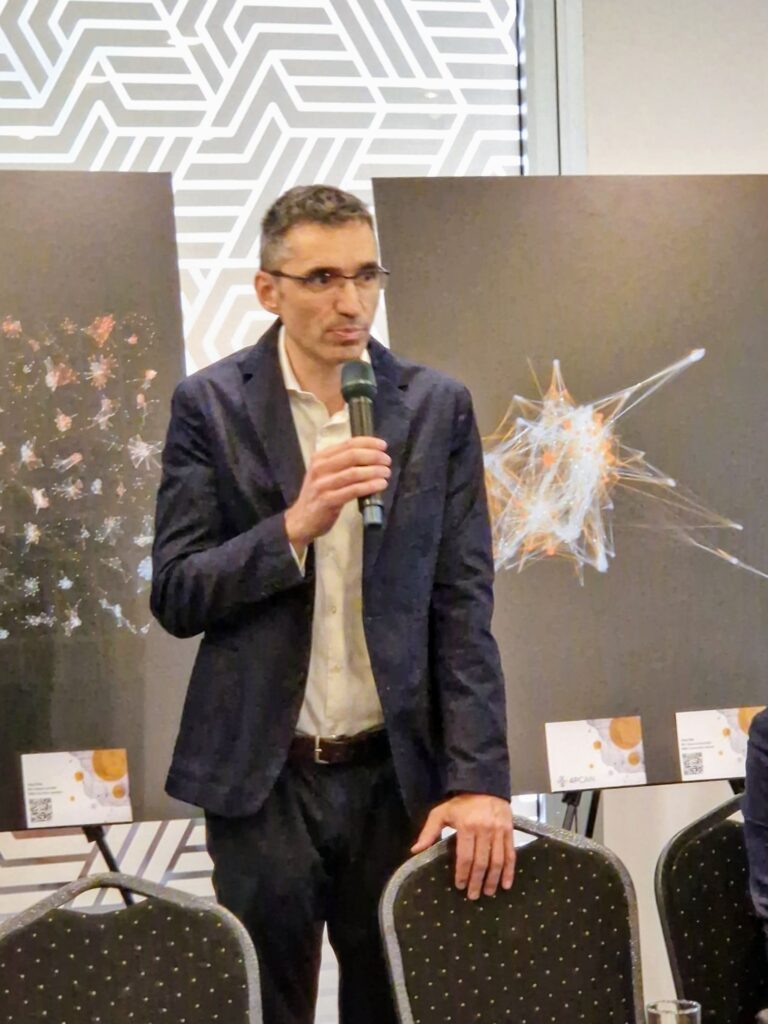
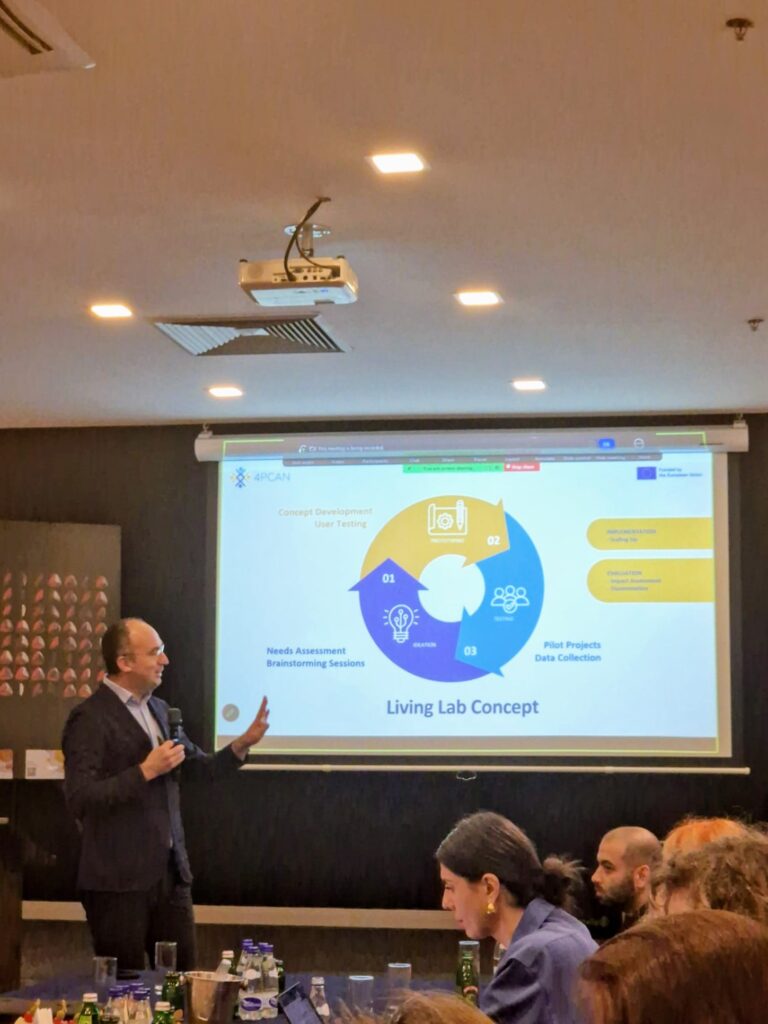
Dr. Nikola Milašević (CUMO, a 4P‑CAN partner) opened the session. He welcomed participants and emphasised the value of innovative, community‑oriented strategies in
cancer prevention.
Marius Geanta, MD, PhD (President of INOMED and 4P‑CAN coordinator) then
presented the project’s wider perspective: moving beyond individual‑level explanations of prevention and exploring how behaviours, information, trust, and vulnerability spread through social networks and communities.
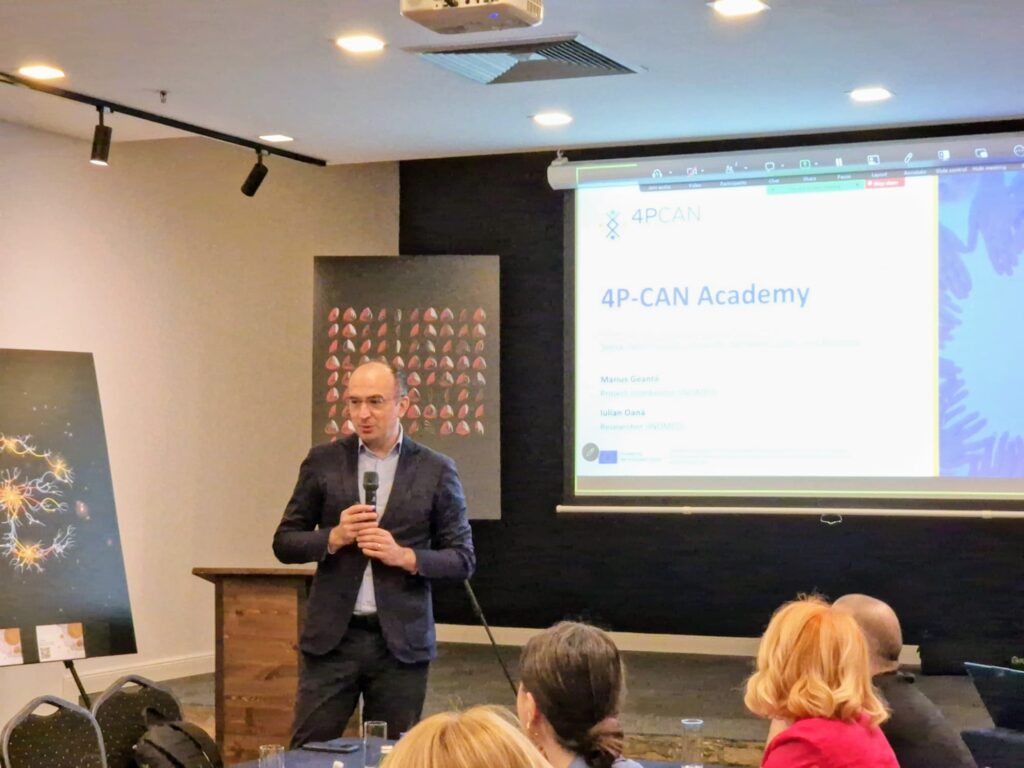
Sociologist Iulian Oană (INOMED, 4P‑CAN) followed with a presentation on the role of Social Network Analysis (SNA) in public health and prevention research.
The Academy then moved into an interactive workshop, with participants split into four groups. Each group selected recommendations from the European Code Against Cancer and developed concrete community‑based prevention initiatives using SNA. The risk factors addressed were: cancer‑causing infections (with emphasis on HPV vaccination), breastfeeding, smoking, and cancer-causing factors at work.
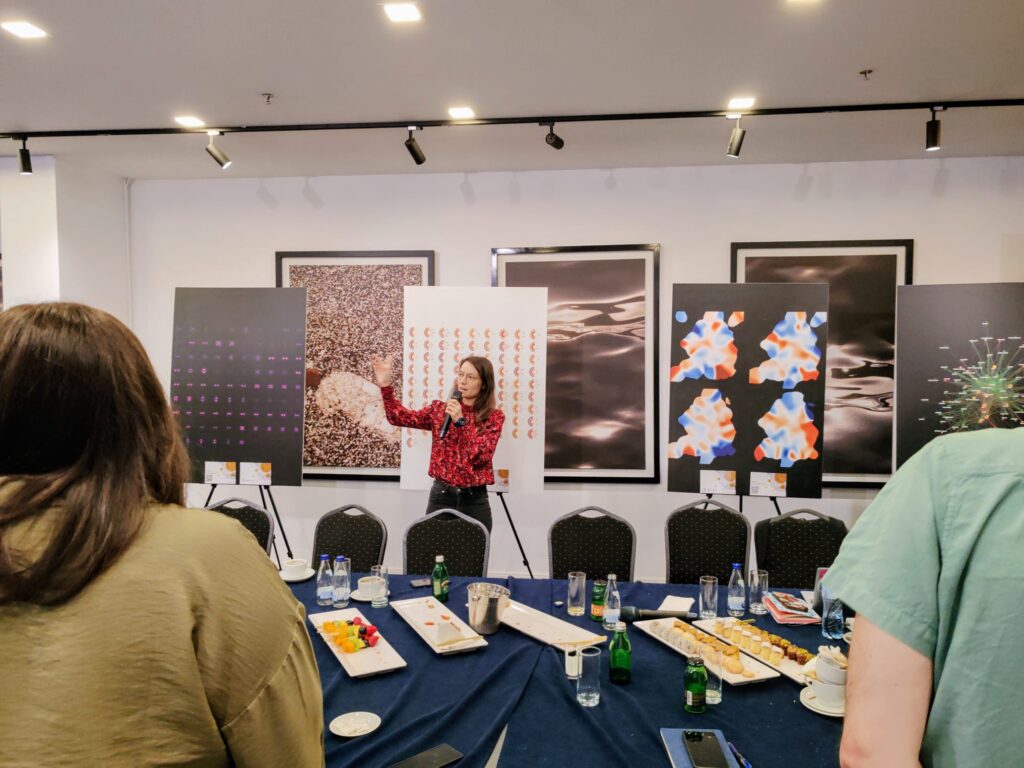
Discussions reinforced a key insight gaining traction across European public health: effective prevention is not merely about transmitting information, but about understanding how information, behaviours, trust, and influence circulate through social ties.
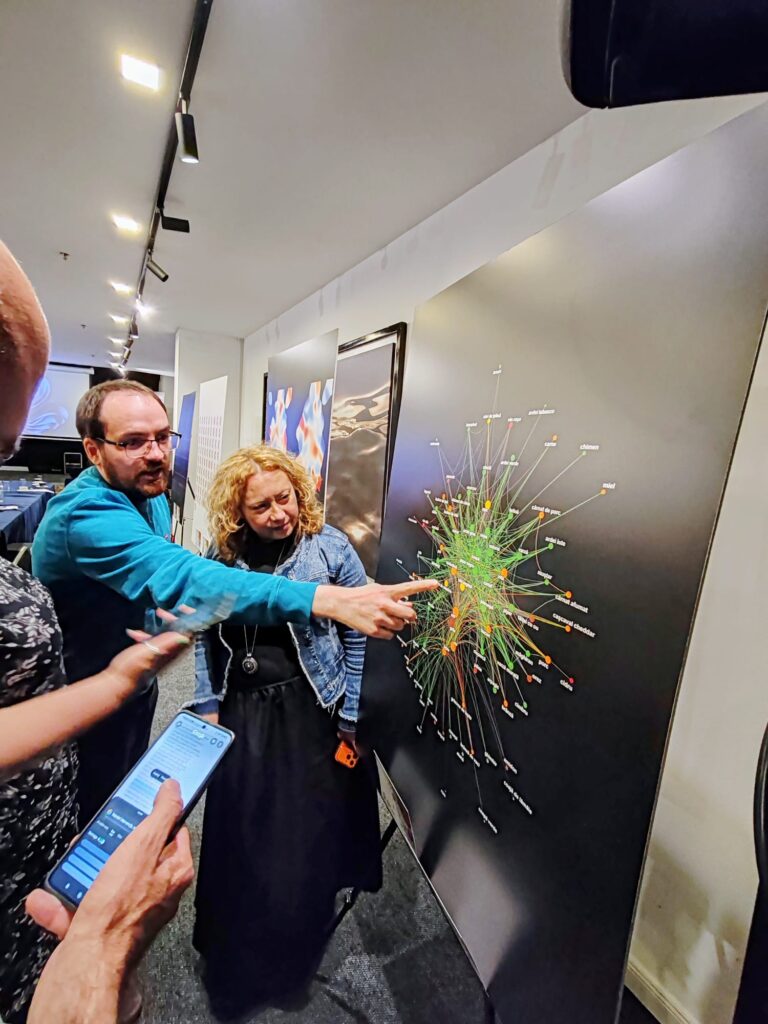
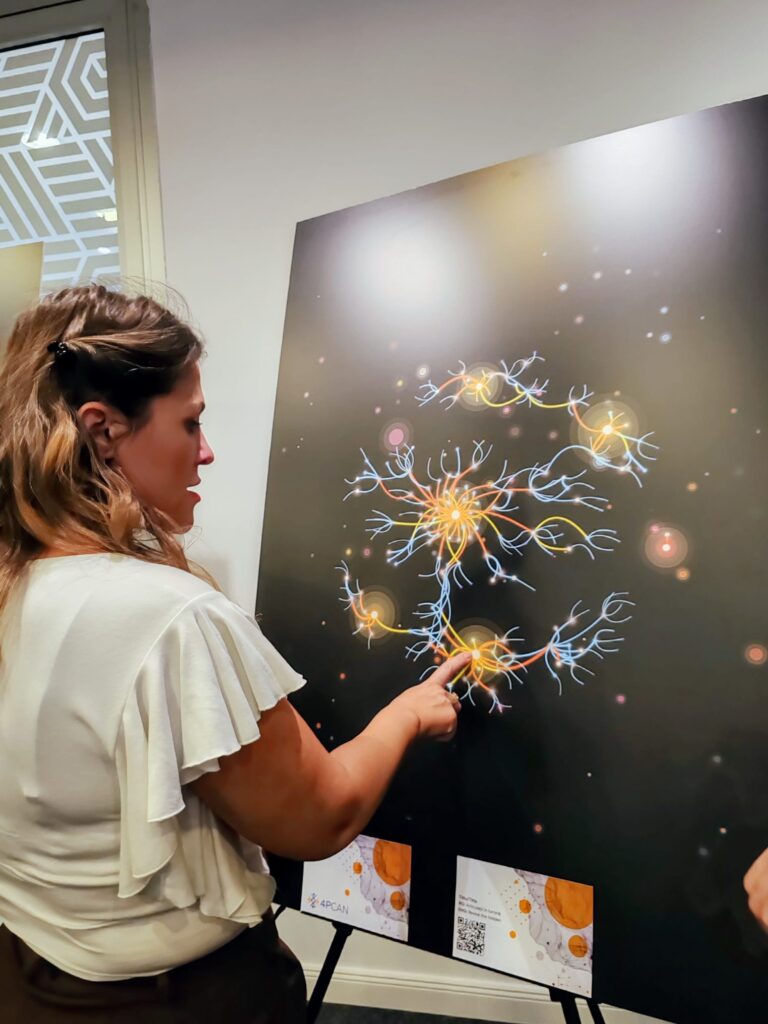
The session also included a guided tour of the “Art of Networks” exhibition. The exhibition turns data collected from Lerești residents into artworks that narrate local community stories, illustrating how citizen participation, collective action, and data sharing can reshape primary cancer prevention.
Across four hours of presentations, group exercises, dialogue, and hands‑on activities, the Academy reflected a central ambition of 4P‑CAN: merging research, participatory methods, social sciences, and real‑life community conditions to rethink how prevention can work effectively in everyday practice. The third and final session of the 4P‑CAN Academy is planned for autumn 2026. It will also be a dedicated, targeted event designed specifically for health specialists.