© Pictures by Octavian Carare
PRESS RELEASE
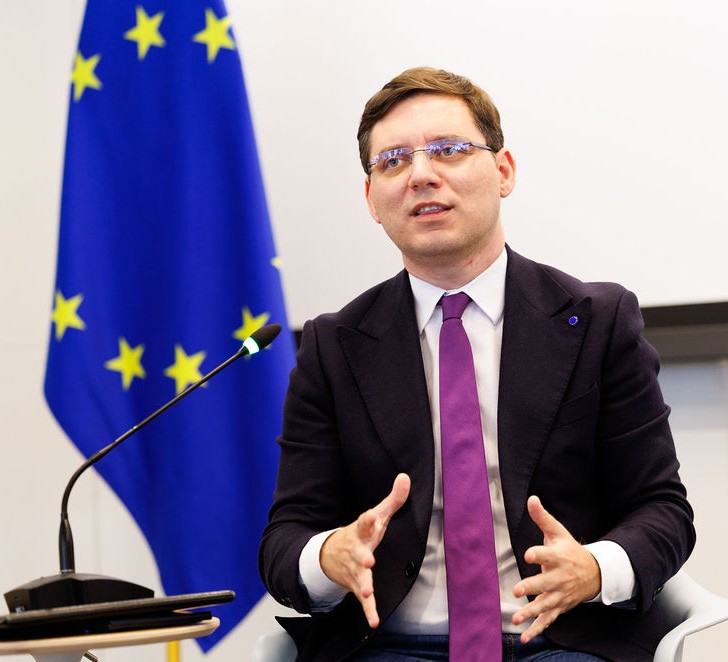
Hosted by European Parliament Vice-President Victor Negrescu, 4P-CAN brings local and regional cancer prevention leadership to the European stage, with recognition from Health Commissioner Olivér Várhelyi.
Brussels, 23 April 2026.
The Lerești Living Lab in Argeș County, Romania, emerges as a practical blueprint for linking European policy, regional development, and community-based implementation in equitable cancer prevention.
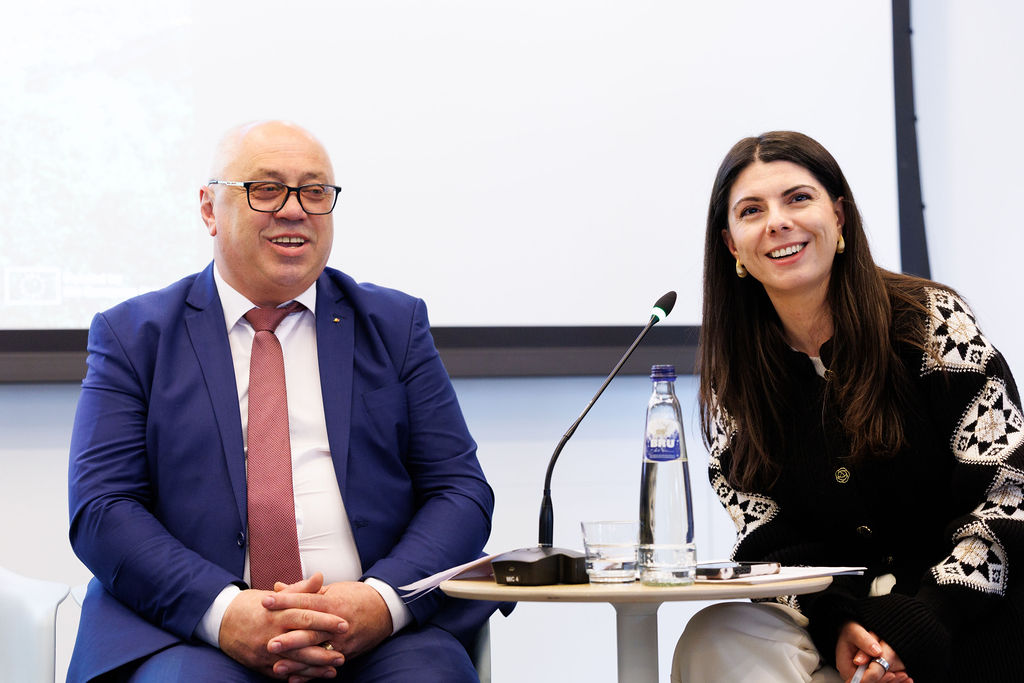
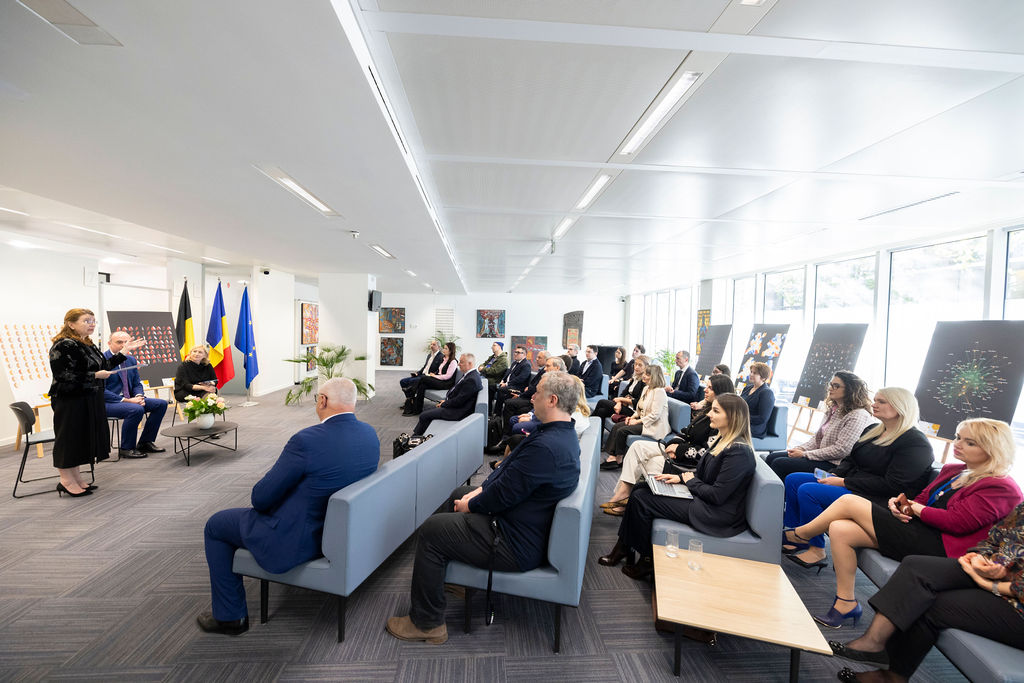
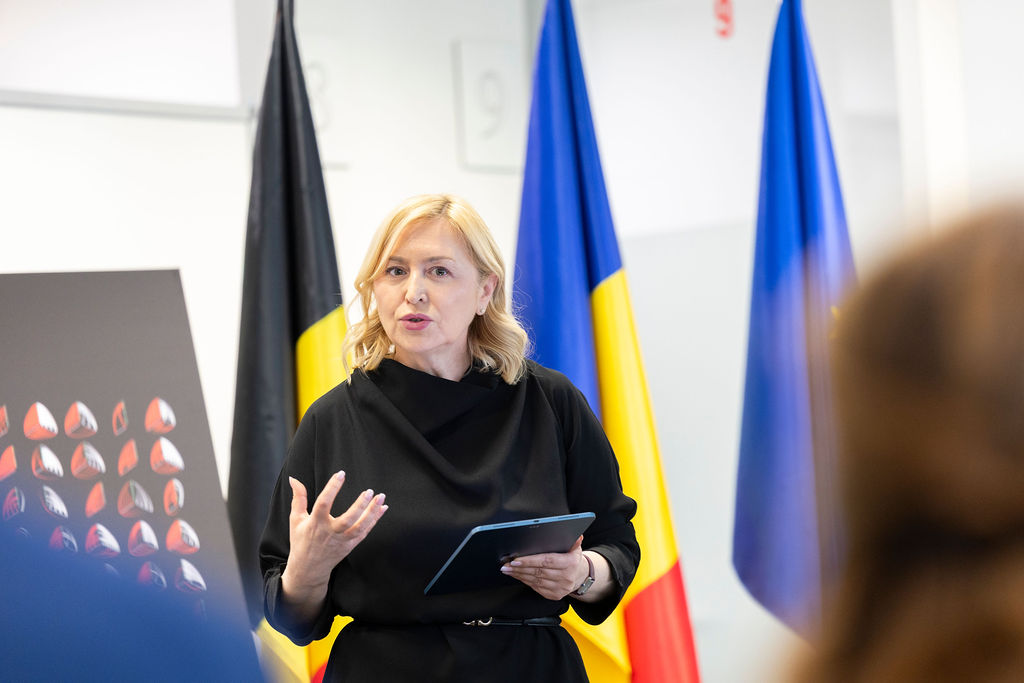
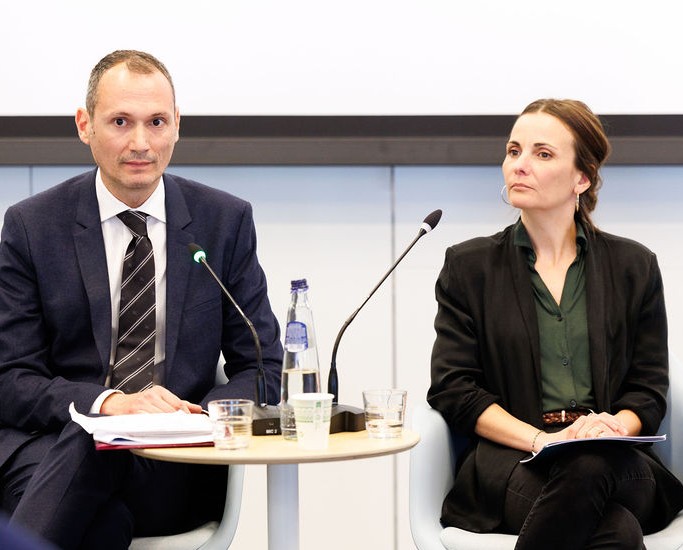
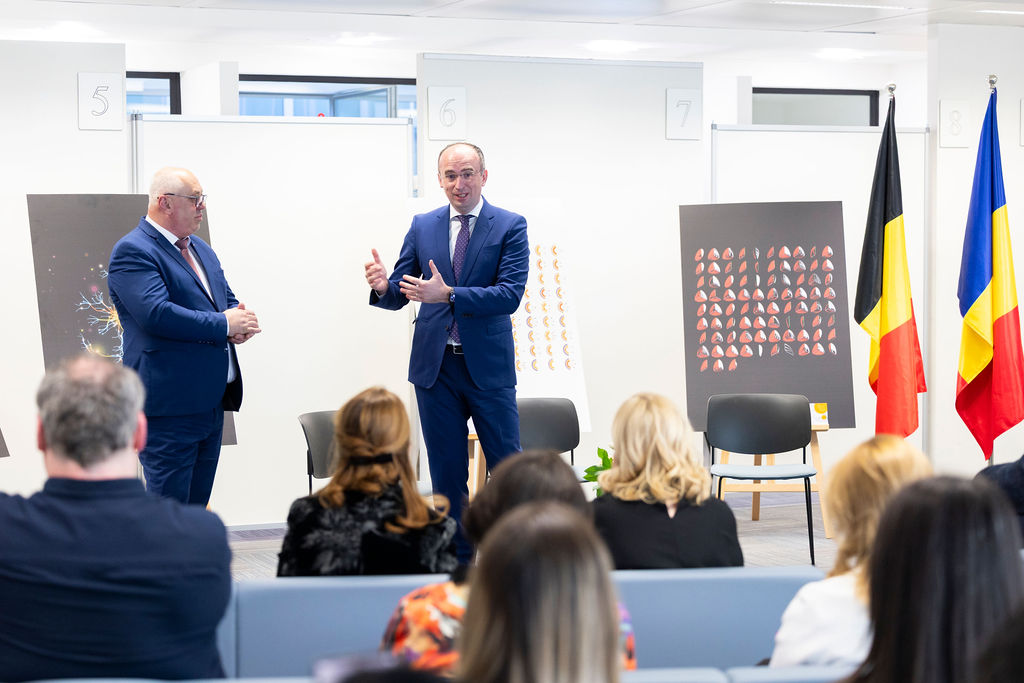
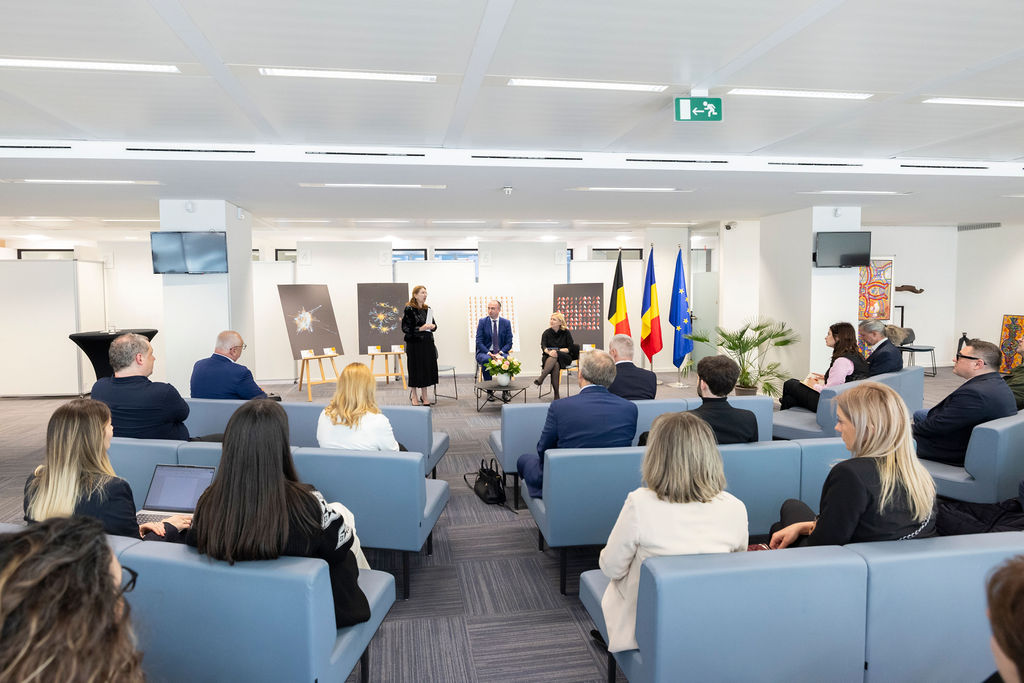
The 4P-CAN Consortium brought the case for equitable, community-driven cancer prevention in Eastern Europe to the European Parliament during the policy dialogue “Closing the Loop: Linking Policy and Implementation – Scaling Equitable Cancer Prevention in Eastern Europe,” hosted by Victor Negrescu, Vice-President of the European Parliament, and followed by the Art of Networks exhibition. The event created a high-level platform for connecting European policy priorities with implementation on the ground, with a particular focus on the Lerești Living Lab in Argeș County, Romania, as a practical model for translating prevention into action in real communities.
The event also reflected strong support for this agenda at European level. By hosting the dialogue at the European Parliament, Victor Negrescu gave visibility and political backing to 4P-CAN’s efforts to bridge the gap between policy and implementation, while recognising the importance of the engagement of local and regional authorities in Argeș. The video message delivered by Olivér Várhelyi, European Commissioner for Health and Animal Welfare, further reinforced the importance of sustained efforts to reduce inequalities in cancer prevention and to strengthen the connection between European health priorities and local delivery.
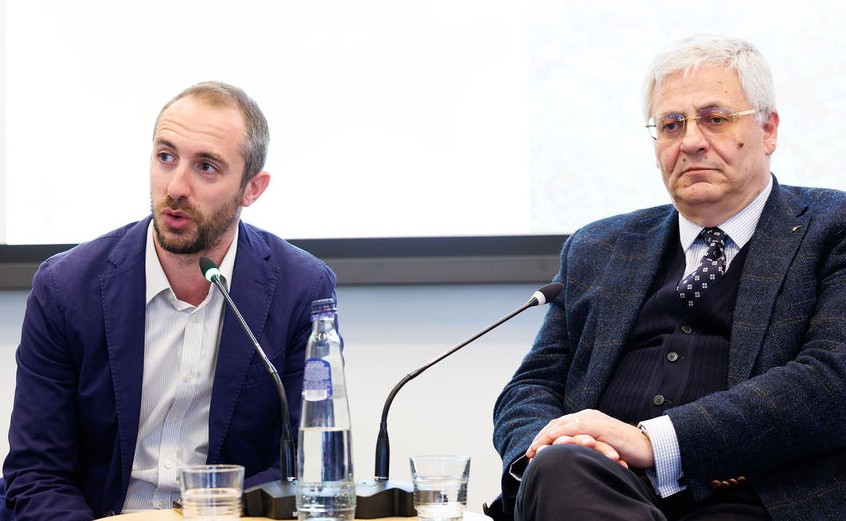
Organised by the 4P-CAN Consortium, the event brought together European institutions, international organisations, regional and local authorities, and public health experts around a shared objective: ensuring that cancer prevention reaches the communities where it is needed most. Besides the contributions from Victor Negrescu and Olivér Várhelyi, the agenda featured Marius Geantă, President and Co-Founder of the Centre for Innovation in Medicine and Coordinator of 4P-CAN; moderator Mădălina Iamandei, Executive Director of All.Can International; as well as representatives of the European Commission Joint Research Centre, OECD, EUREGHA, ADR Sud-Muntenia, and local and regional authorities from Argeș County.
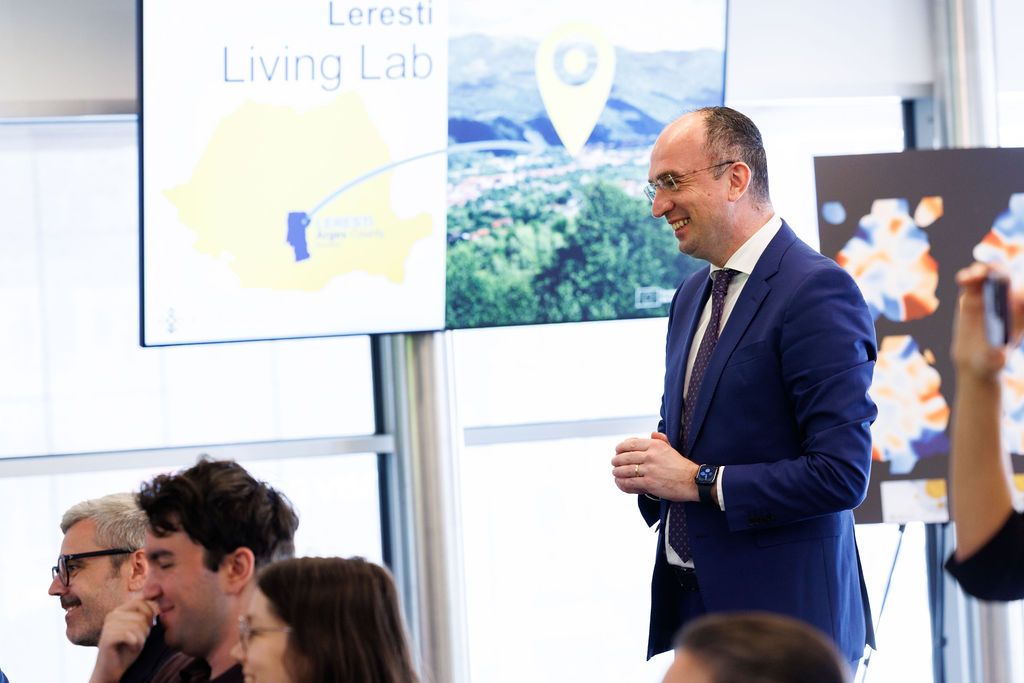
The Lerești Living Lab is a rural innovation ecosystem established under 4P-CAN project in 2023 in Lerești, Romania, dedicated to co-creating community-driven solutions for primary prevention and health promotion. It brings together citizens, local authorities, schools, sports organisations, healthcare professionals, and researchers in a long-term partnership grounded in trust, participation, and shared learning. Its approach combines community-based interventions with network science to better understand how health behaviours are shaped by social relationships and everyday contexts.
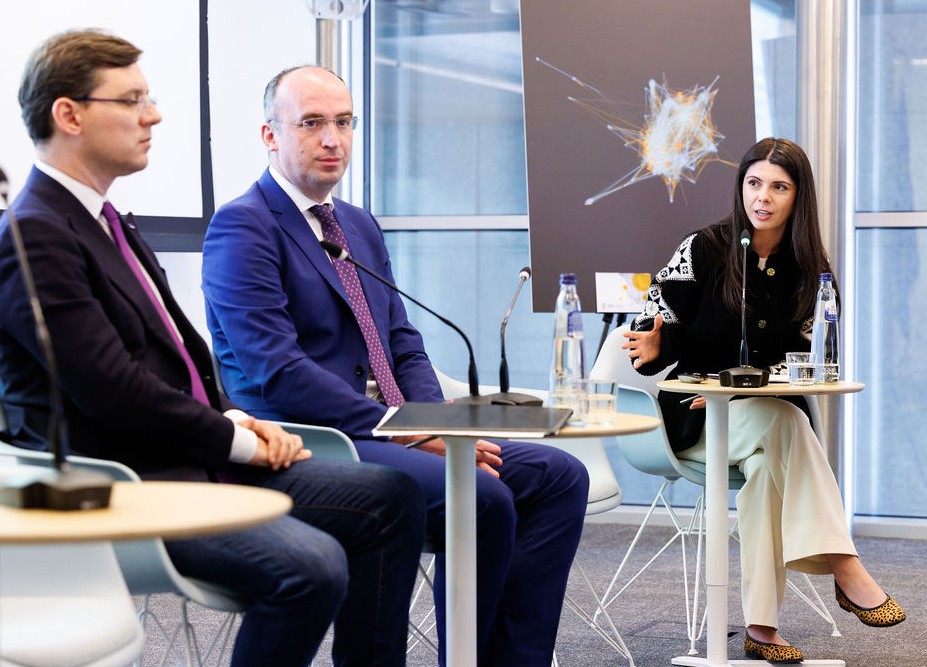
A central moment of the discussion was the panel dedicated to the Lerești Living Lab. The contributions of Marian Toader, Mayor of Lerești, Marius Nicolaescu, Vice-President of Argeș County Council, and Liviu-Gabriel Mușat, Director General of ADR Sud-Muntenia, highlighted the essential role of local, county, and regional actors in turning European research and innovation into tangible public value. Together, they showed that effective cancer prevention depends not only on strong European frameworks, but also on the ability of communities, public authorities, and regional development institutions to work in partnership and scale solutions that have already been validated on the ground.
For the 4P-CAN Consortium, the Brussels dialogue demonstrated that the future of cancer prevention in Europe depends on stronger links between the European policy environment and the local and regional ecosystems where prevention is actually implemented. In this respect, the Lerești Living Lab stands out as a compelling example of how community-based innovation, local leadership, county-level support, and regional development capacity can come together to reduce inequalities in cancer prevention. Its recognition within the European Network of Living Labs (ENoLL) further underlines the relevance of this model beyond Romania and confirms its place within the wider European ecosystem of open, user-centred innovation.
"4P-CAN is built on a simple but ambitious idea: cancer prevention becomes more effective when European policy, scientific evidence, and community realities are connected. What we presented today at the European Parliament is not only a project, but a practical model for how this connection can work. The experience of the Lerești Living Lab shows that solutions developed with communities can inform policy at the European level and, in turn, that European priorities can be translated into meaningful action locally and regionally."
Marius Geantă, President and Co-Founder of the Centre for Innovation in Medicine and Coordinator of 4P-CAN
"For Lerești, being part of 4P-CAN means that a local community can contribute to a European solution in an area as important as cancer prevention. We are proud that the work carried out in our community is being recognised at the European level. The Living Lab has shown that when people are engaged, listened to, and trusted, prevention becomes more relevant, more accessible, and more effective."
Marian Toader, Mayor of Lerești
“The Lerești experience proves that innovation in prevention can start where it is often most difficult — at community level. For Argeș County, 4P-CAN is an example of how local and regional authorities can actively contribute not only to implementation, but also to research and innovation. It also shows that validated local models deserve to be supported, scaled up, and integrated into future European and regional investment priorities.”
Marius Florinel Nicolaescu, Vice-President of Argeș County Council
“The experience emerging from Lerești shows why regional development institutions matter in public health innovation. When European priorities are matched by strong local leadership and regional support, successful community-based models can move beyond pilot stage and become part of a broader development vision. This is exactly the kind of connection we need between innovation, territorial cohesion, and long-term investment.”
Liviu-Gabriel Mușat, Director General of ADR Sud-Muntenia
The dialogue in Brussels reinforced one of the core messages of 4P-CAN: reducing inequalities in cancer prevention requires more than broad policy commitments. It requires trusted local partnerships, community participation, regional engagement, and implementation models that can be adapted and scaled without losing their equity focus. The Lerești Living Lab illustrates exactly this type of model — one that connects citizens, local government, county leadership, regional development stakeholders, researchers, and European institutions in a shared effort to improve public health outcomes.
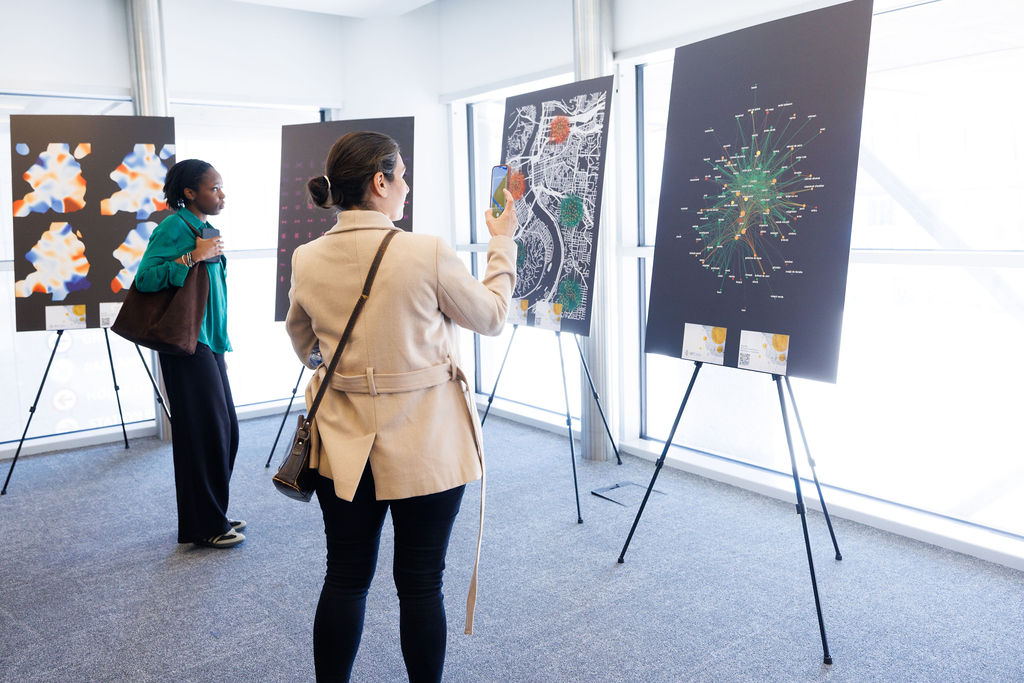
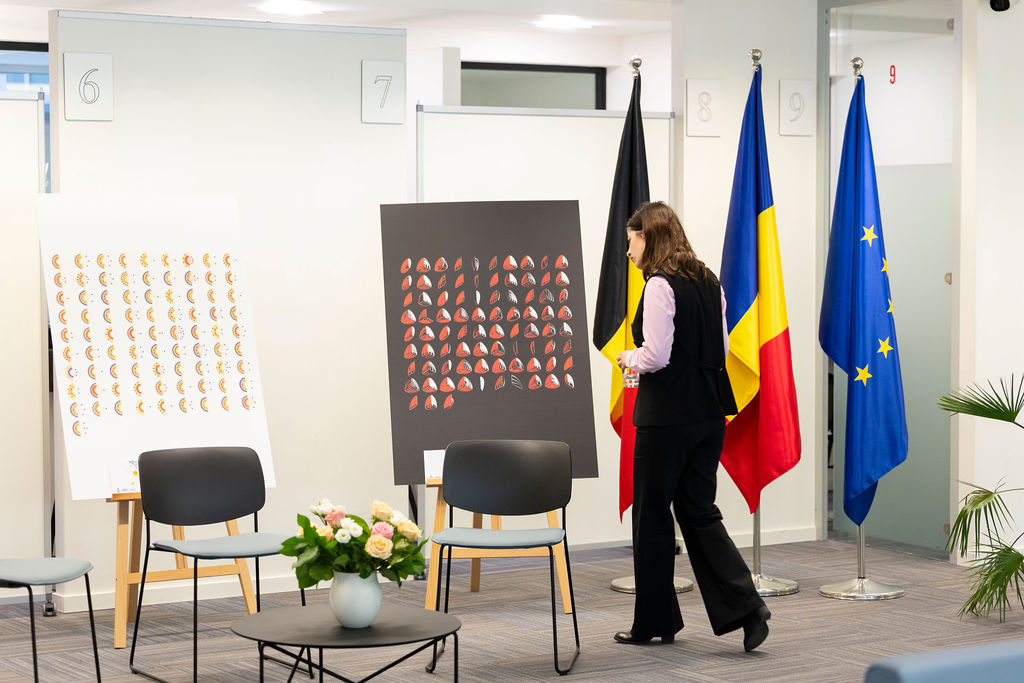
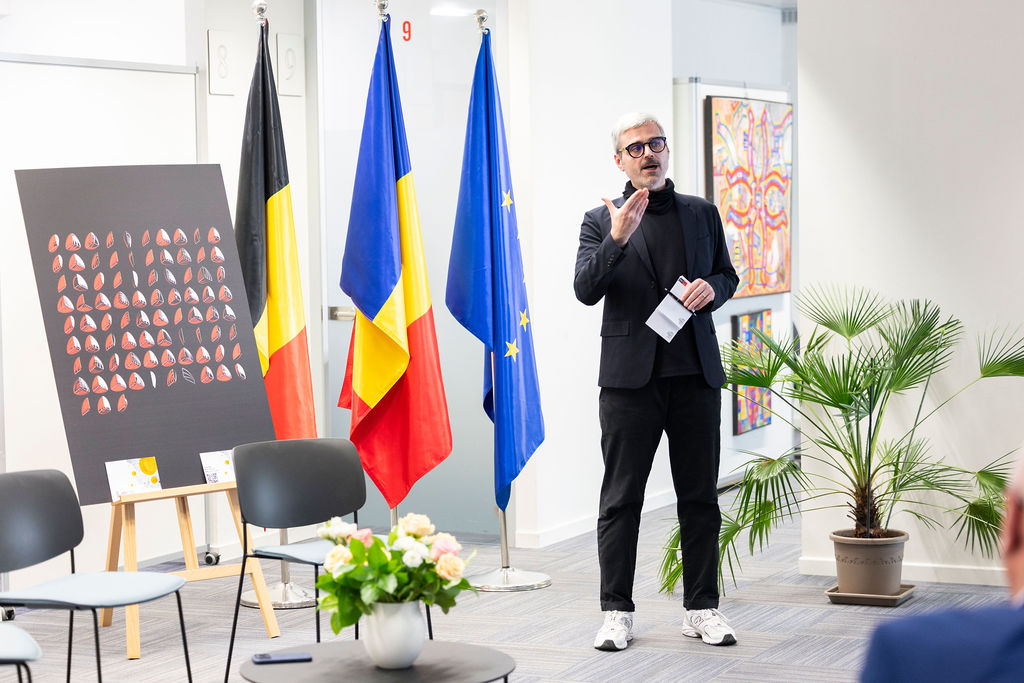
The event concluded with the Art of Networks exhibition, presented by Gabriel Hâncean of the Centre for Innovation in Medicine, offering participants a further illustration of how community data, social ties, and citizen engagement can be translated into meaningful narratives for prevention and health promotion. The exhibition had previously been hosted at the Living Lab in Lerești, where it presented community stories through artworks created from local data.
As 4P-CAN continues its work, the Consortium will build on the lessons from Lerești and other implementation settings to support more equitable cancer prevention across Eastern Europe. The message from Brussels was clear: Europe’s cancer policy ambitions will be strongest when they are anchored in the experience, leadership, and innovation of local and regional communities.

About 4P-CAN
4P-CAN is a Horizon Europe project working to improve primary cancer prevention and reduce inequalities across Central and Eastern Europe. The project addresses major modifiable risk factors for cancer, including smoking, alcohol consumption, physical inactivity, excess body weight, preventable infections, and environmental pollution, while analysing barriers to policy implementation and to individual adherence to healthy behaviours.
By connecting policy analysis, behavioural and social sciences, community-based innovation, and implementation research, 4P-CAN aims to strengthen equitable cancer prevention and support the translation of European priorities into practical action in real-life settings.