
Development and validation of an instrument to assess public perception of cancer primary prevention information
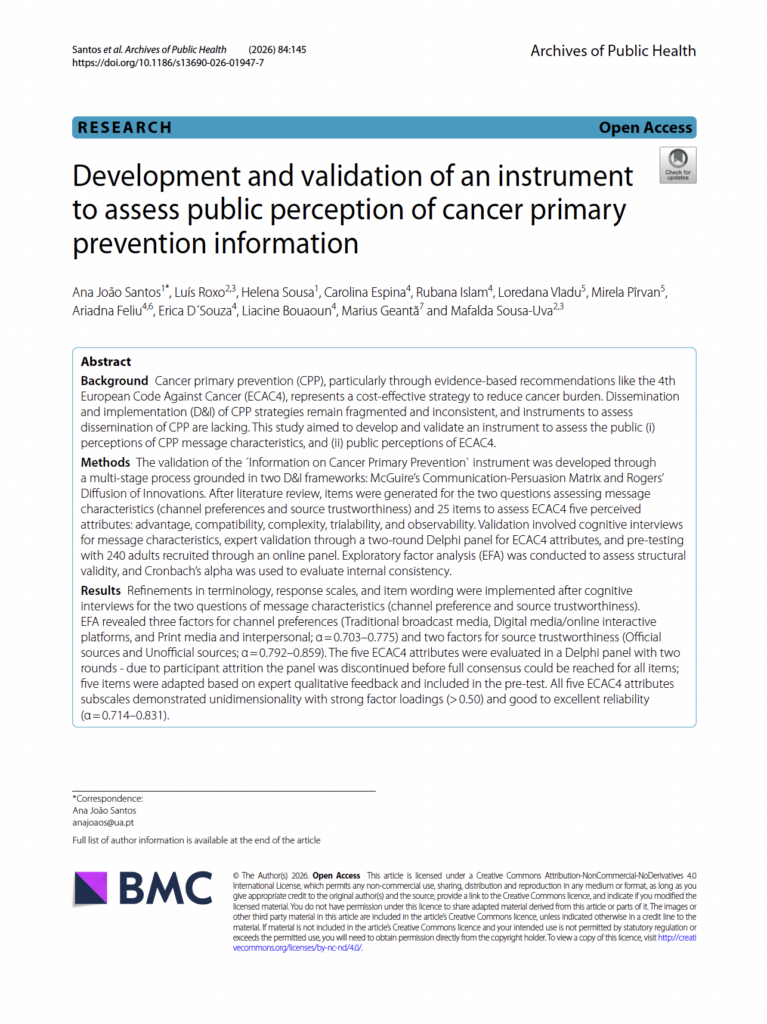
Cancer primary prevention (CPP), particularly through evidence-based recommendations like the 4th
European Code Against Cancer (ECAC4), represents a cost-effective strategy to reduce cancer burden. Dissemination
and implementation (D&I) of CPP strategies remain fragmented and inconsistent, and instruments to assess
dissemination of CPP are lacking. This study aimed to develop and validate an instrument to assess the public (i)
perceptions of CPP message characteristics, and (ii) public perceptions of ECAC4.
Adapting Longitudinal Personal Network Research Through Participation: Reflections From a Rural Study
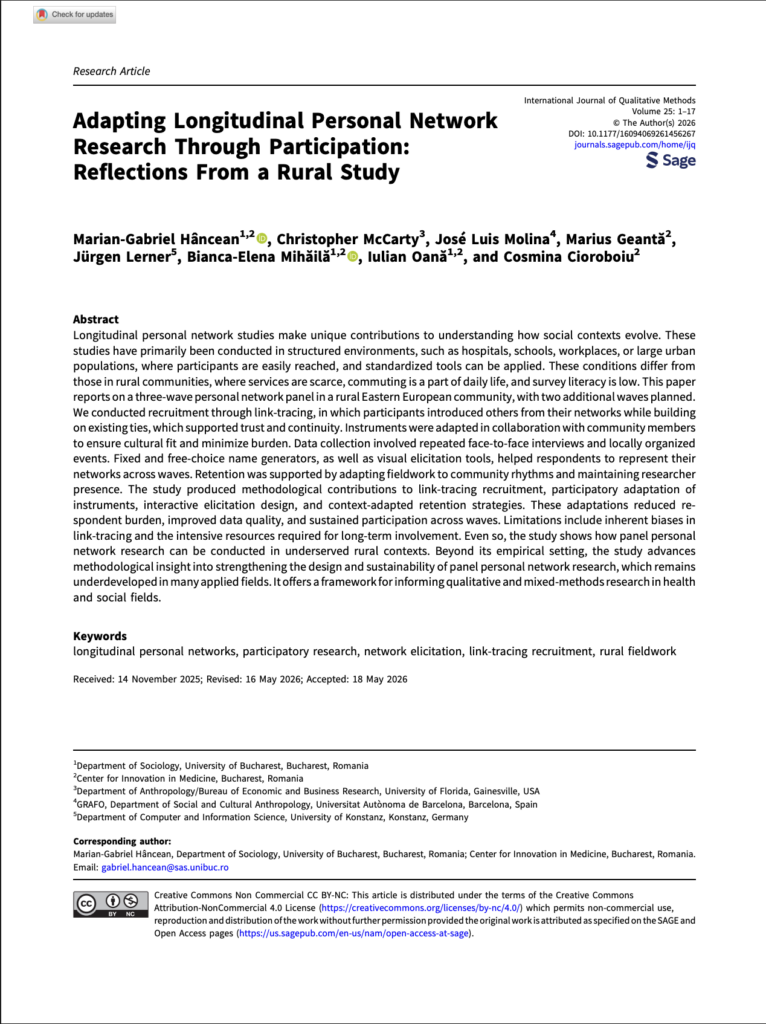
Longitudinal personal network studies make unique contributions to understanding how social contexts evolve. These studies have primarily been conducted in structured environments, such as hospitals, schools, workplaces, or large urban populations, where participants are easily reached, and standardized tools can be applied. These conditions differ from those in rural communities, where services are scarce, commuting is a part of daily life, and survey literacy is low. This paper reports on a three-wave personal network panel in a rural Eastern European community, with two additional waves planned.
Shaping food system governance: mapping the national food and nutrition legislation landscape across Europe
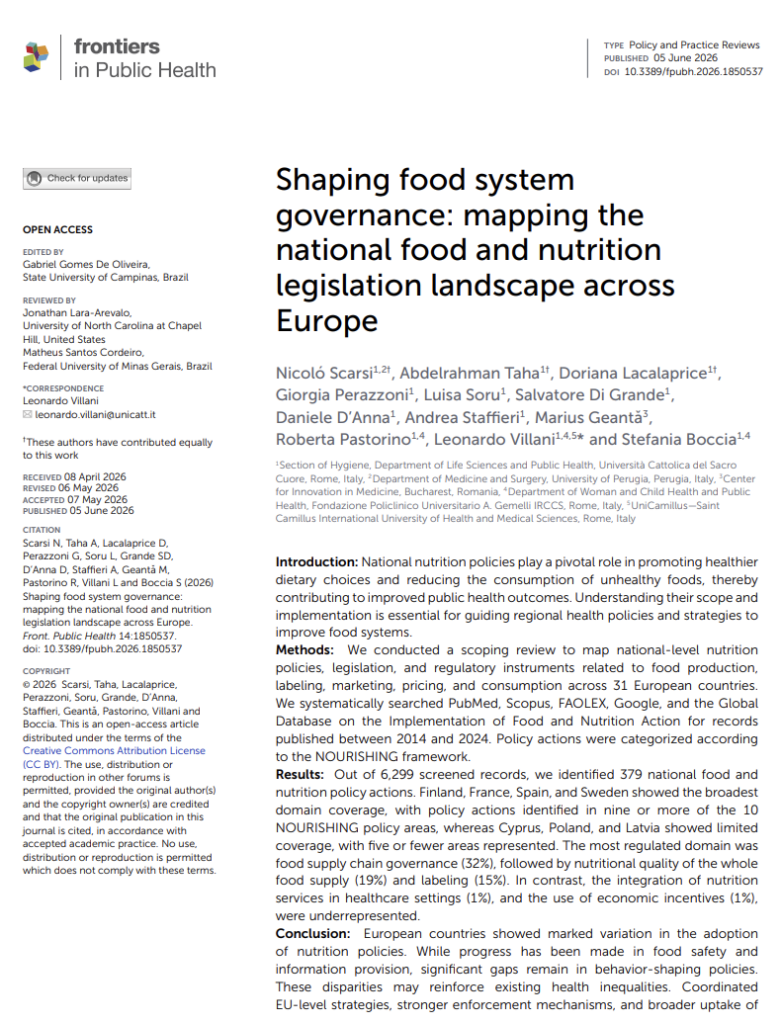
National nutrition policies play a pivotal role in promoting healthier dietary choices and reducing the consumption of unhealthy foods, thereby contributing to improved public health outcomes. Understanding their scope and implementation is essential for guiding regional health policies and strategies to improve food systems.
National taxation on sugar-sweetened beverages and its association with overweight, obesity, and diabetes
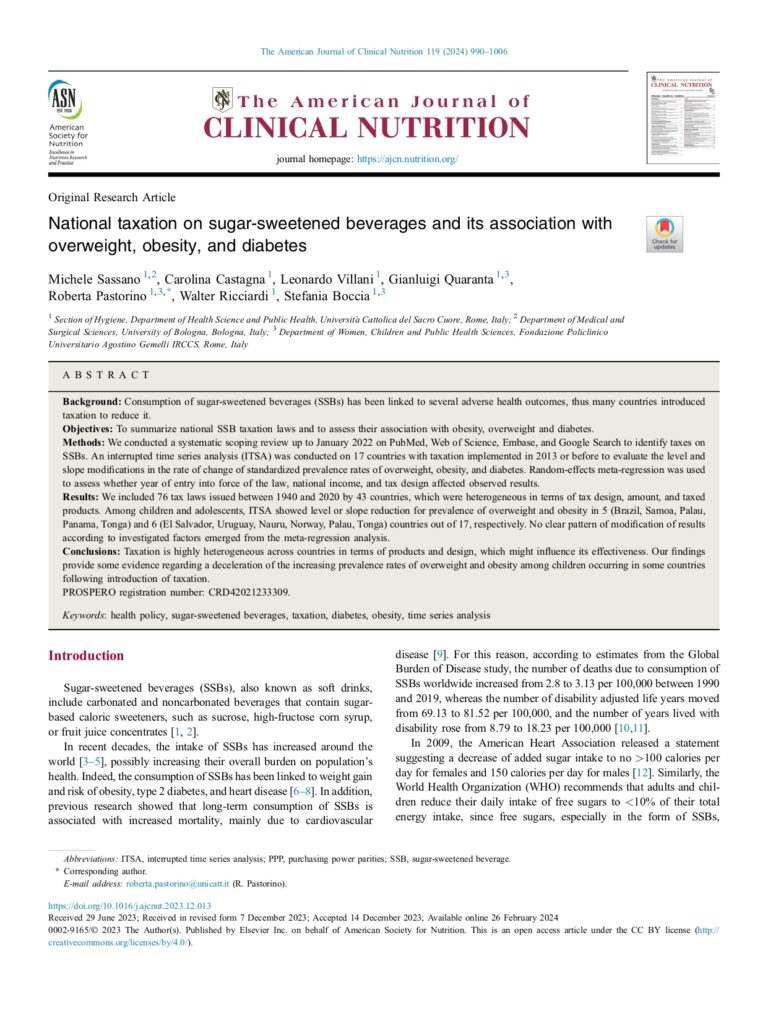
The article presents a systematic scoping review following the Preferred Reporting Items for Systematic reviews and Meta-Analyses extension for Scoping Reviews to summarize the landscape of national tax laws on sugar-sweetened beverage (SSB) – soft drinks, include carbonated and noncarbonated beverages that contain sugar-based caloric sweeteners, such as sucrose, high-fructose corn syrup, or fruit juice concentrates – consumption and its associated health risks, encompassing weight gain, obesity, type 2 diabetes, and cardiovascular disease. Its primary aim is to provide a methodical overview of national tax regulations on SSBs and to assess their influence on the prevalence of overweight, obesity, and type 2 diabetes.