4P-CAN launches the Health Festival: the first Living Lab events in rural Bulgaria

The Health Festival is the first event organised within the Bulgarian Living Lab, established by the Jean Monnet Centre of Excellence at Plovdiv University Paisii Hilendarski, in partnership with the 4P-CAN Project. The Centre’s team includes lecturers, researchers and medical experts. 

These initial Health Festival sessions mark the beginning of a series of activities within the newly established Living Labs in Bulgaria, designed to connect researchers, healthcare professionals, and citizens in a shared effort to promote healthier habits and informed lifestyle choices.

Building the Living Lab in Bulgaria

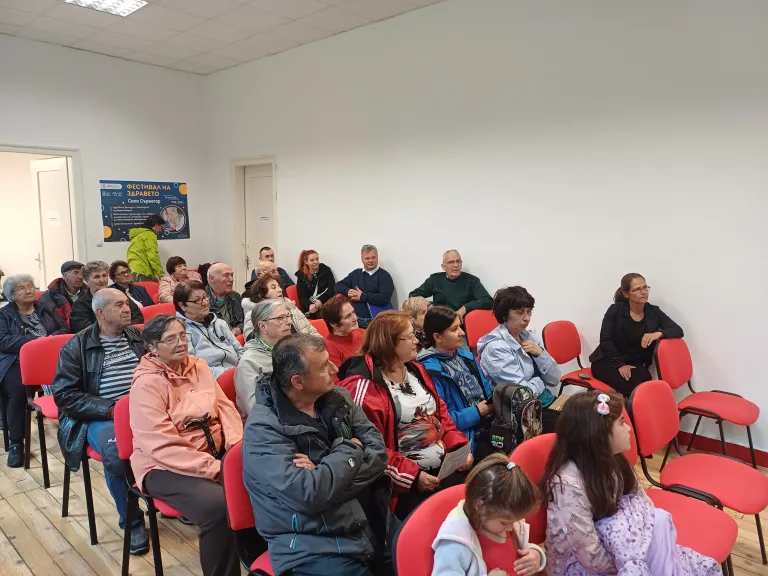
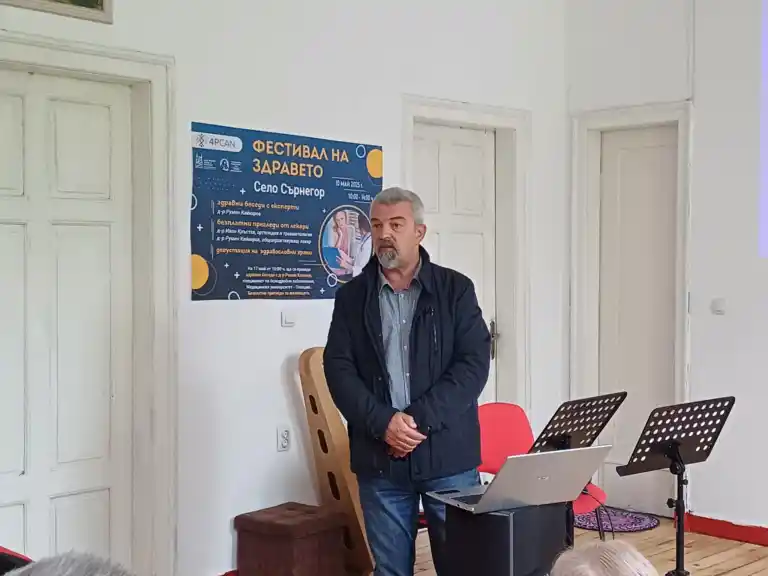
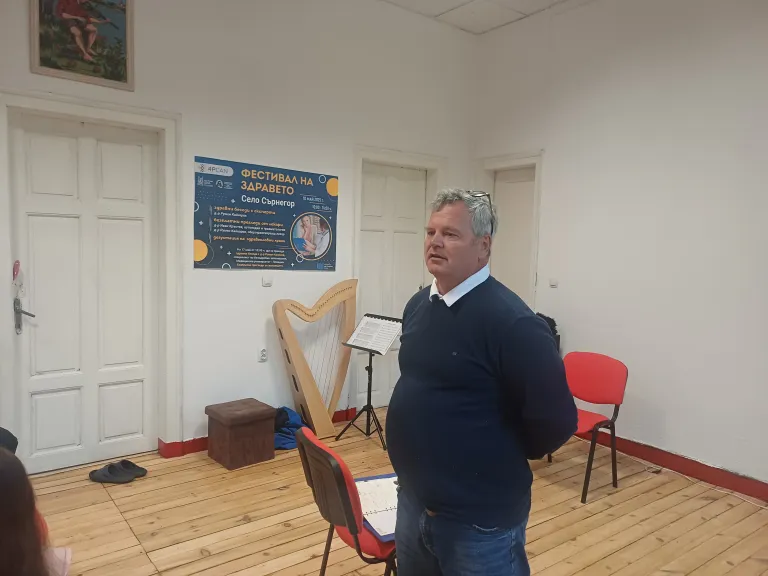
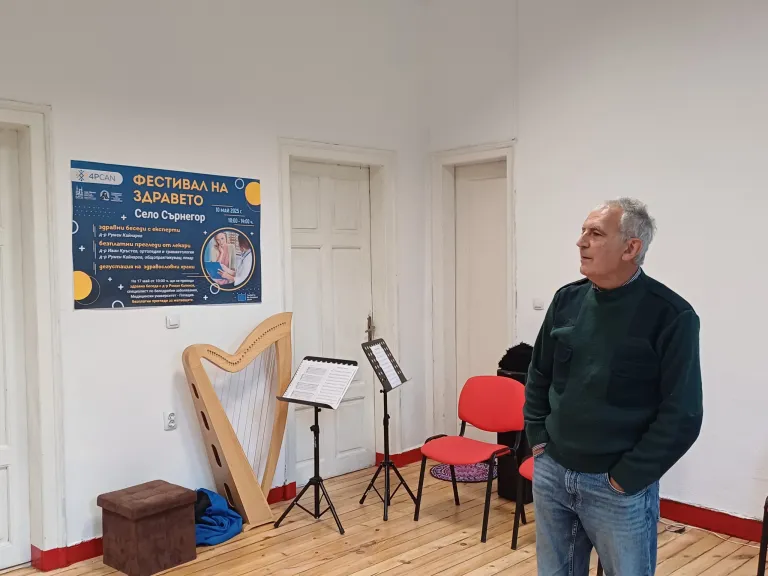
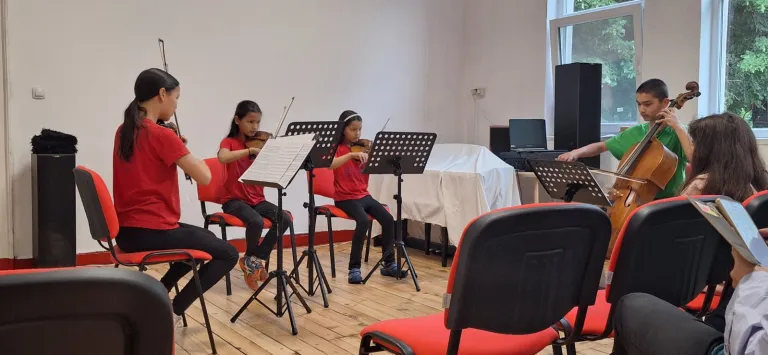
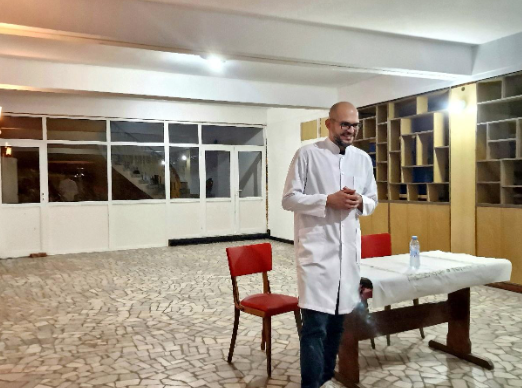
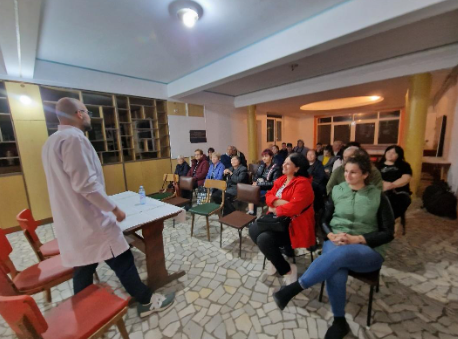
Besides the experience from the Lerești Living Lab in Romania, the Bulgarian Living Lab was built up on the ‘pilot’ Health Festival, which took place in the village of Sarnegor, in the Brezovo region, on 10 and 17 May 2025, where Dr. Atanas Terziyski from the Faculty of Chemistry of the University of Plovdiv, Prof. Ivan Tchalakov, head of the Bulgarian research group for the establishment of the Bulgarian Living Lab and Dr. Rumen Kainarov presented important advice to the event attendees regarding high blood pressure, cholesterol levels and diabetes. Dr. Kainarov also shared valuable advice on what preventive practices can help us reduce the risk of certain diseases.

The purpose of this pilot Health Festival was to methodologically test how it could work in a small scale (a village with 100 inhabitants ), and to register what is the initial level of knowledge on prevention and of healthcare according to the people’s opinion. 

Click on the photos to see the gallery © Photos by the Jean Monnet Centre of Excellence at Plovdiv University Paisii Hilendarski

More information on the first Health Festival in Sarnegor: click here

Based on these first observations, the research team from the Jean Monnet Centre of Excellence began to work on the first wave of building a Living Lab in Bulgaria, at the beginning of October 2025.

Within the pre-selected Plovdiv region, a specific municipality and settlement were identified – the municipality of Parvomai, with a focus on the village of Bryagovo, with a population of 401 people. The municipality of Parvomai was selected because it lies in an area with known uranium deposits. The case study examines health-related environmental factors, particularly air quality and radon exposure, which represents one of the main risk factors for lung cancer. Digital technologies will be used for dynamic air quality monitoring and real-time radon measurement to assess their impact on the local population. Bryagovo was also chosen due to its sociological relevance: once a thriving village with several thousand residents during the communist period, it has sharply depopulated since 1989. This transformation offers a valuable context for analysing citizens’ behaviours and habits related to health.

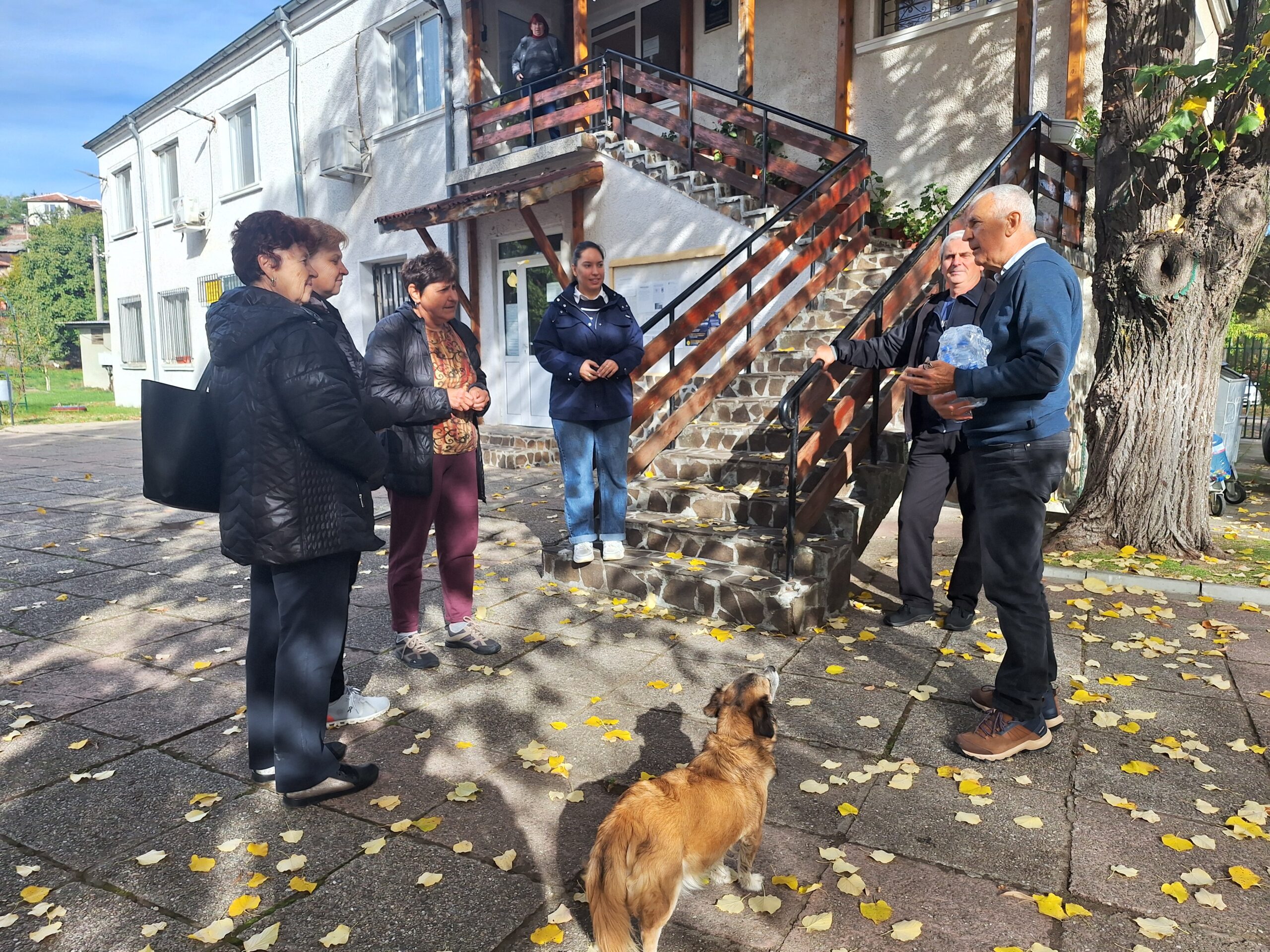
During the first stage of fieldwork, the Jean Monnet Center team established contacts and cooperation with the village mayor and administration, local cultural figures, and representatives of youth communities. They were also the first seed respondents through whom the researchers began reconstructing the social networks of the local community. Meanwhile, in June 2025, sensors for measuring radon levels were provided in the village, to be connected to the dynamic measurement network with open access to the collected data meter.ac. 

By mid-October 2025, interviews with 40 residents provided insights into attitudes and behaviours related to cancer prevention and healthy lifestyles. Early findings highlight several key influences on personal and community health behaviour:

  • Demographic and social changes in rural Bulgaria—especially in Bryagovo—combined with the rise of digital communication, have reduced face-to-face contact and shortened social networks.
  • Post-communist healthcare reforms have not ensured adequate access to quality services for small, remote settlements, making preventive practices hard to implement.
  • Mistrust in public institutions further weakens community engagement and fosters scepticism toward evidence-based prevention policies.

These factors create a mixed effect: networks become denser but also more geographically dispersed. Two emerging social profiles appear:

  1. Older, socio-biologically isolated individuals with limited access to care
  2. More socially active residents whose smaller but wider-reaching networks extend across the region.


Although the disclosure of “short” personal and social face-to-face relationships poses certain methodological difficulties, they reveal the fundamental problems facing citizens of small settlements.

Health Festival: the first Bulgarian Living Lab event
Understanding cancer risk factors

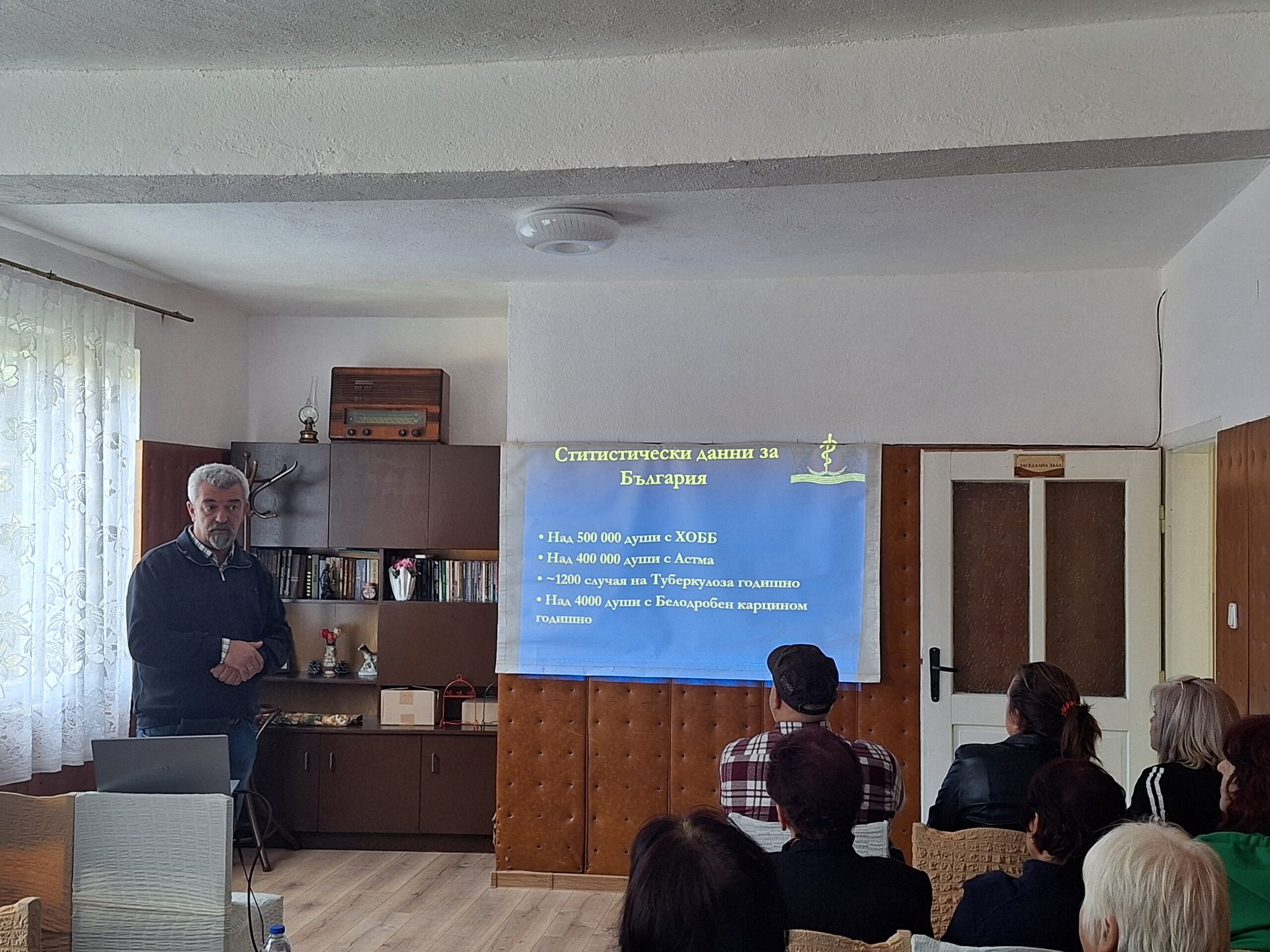
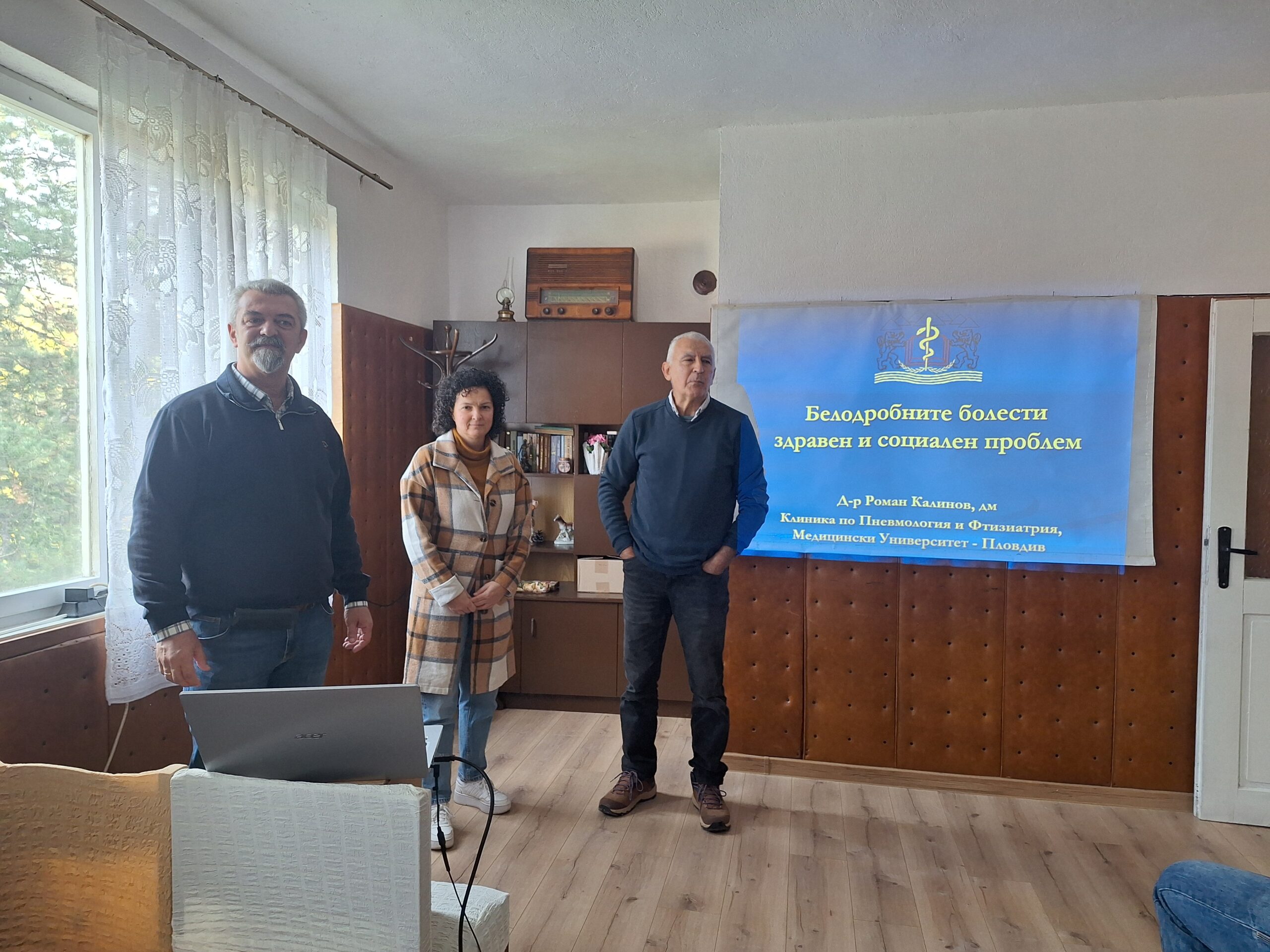
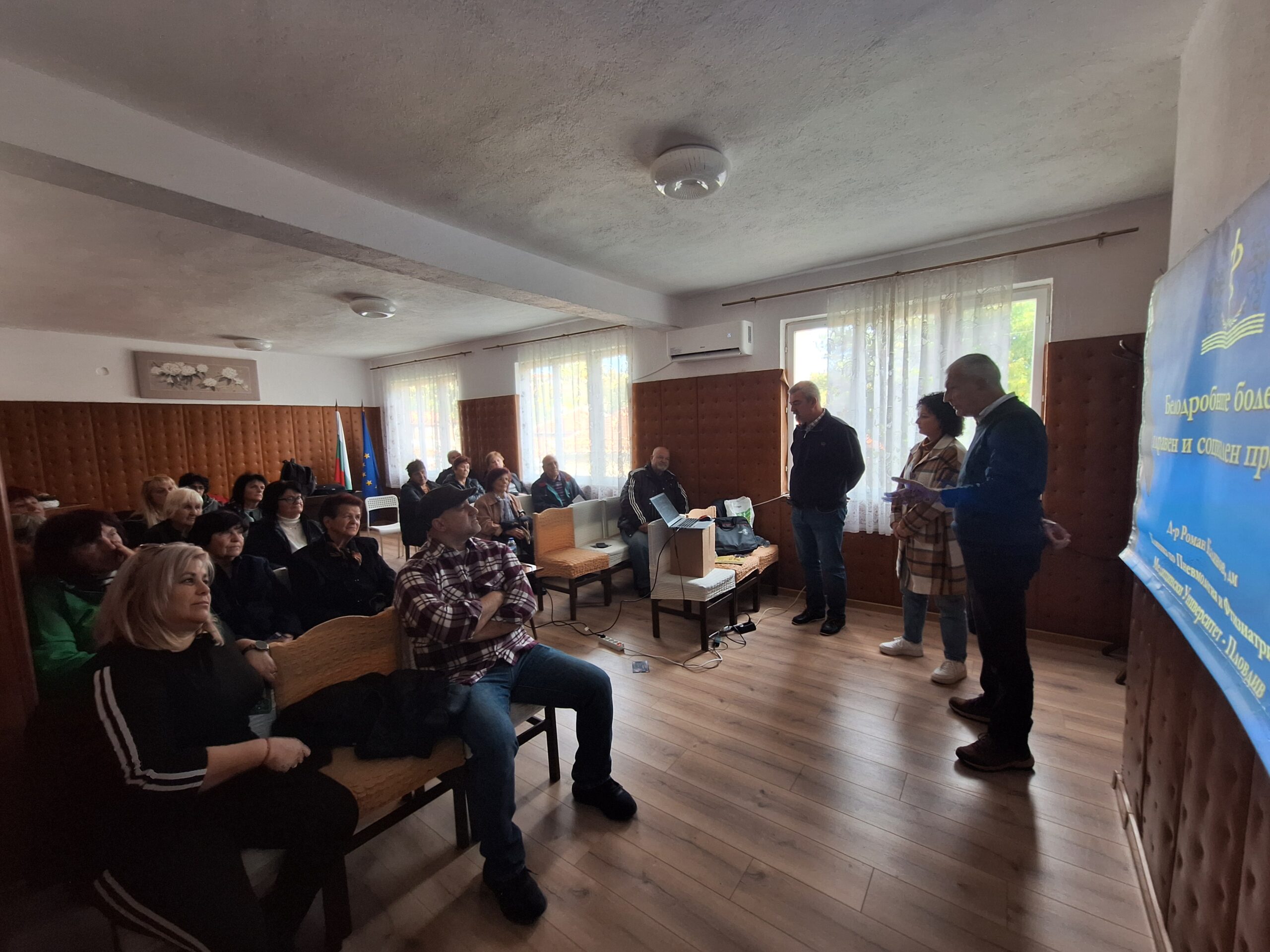
On October 25, 2025, the first event of the Health Festival was held in the meeting hall of the Mayor’s Office in Bryagovo village, Municipality of Parvomai, Plovdiv Region, where the Bulgarian Living Lab is being established.

The aim of this first event was to familiarise the public with the efforts of the Centre’s team and to raise citizens’ awareness of the main factors and risks associated with the development of oncological diseases. 

The event was opened by the Mayor of Bryagovo, Ms. Maria Stoyanova, who emphasised the importance of such initiatives for small communities and their role in improving access to health information. During the event, Prof. Ivan Tchalakov and Assoc. Prof. Tihomir Mitev presented the main goals and activities of the 4P-CAN project.
Dr. Roman Kalinov, pulmonologist and member of the Bulgarian project team, introduced the participants to the profile of pulmonary diseases, their social significance, and the possibilities for prevention and treatment within modern medicine and the Bulgarian healthcare system.
He also presented several WHO recommendations and the European Code Against Cancer.
Special attention was given to the impact of radon. Prof. Tchalakov shared visualised data from a sensor installed by the partner network meter.ac, provided for the needs of the 4P-CAN project (see https://meter.ac/gs/health/H18/history.html). The presenters underlined the importance of reliable data and public awareness regarding radon exposure and shared practical advice for minimising its impact.

Data showing radon concentration in Bryagovo Village (August-October, 2025)

Following the official session, a discussion took place about local challenges related to limited access to quality healthcare and reliable preventive information. Residents of Bryagovo participated in free individual consultations with Dr. Kalinov, during which they shared their personal health status and observations on healthcare services in the region.

The discussion also highlighted certain gaps in the functioning of the healthcare system in small settlements and explored potential improvements.

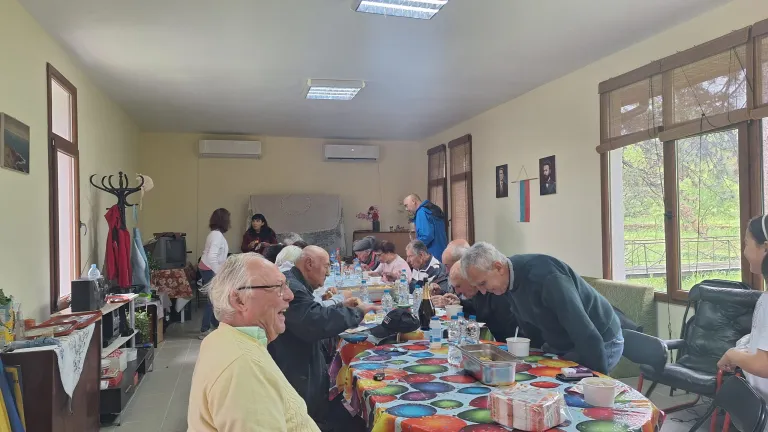
The first edition of the festival concluded with a tasting of healthy drinks and foods, as well as informal conversations between researchers and local residents. The event attracted around 30 participants and marked the official launch of similar initiatives to be held in various settlements within Living Lab Bulgaria.

More information on the first event in Bryagovo: here

Photo gallery of the Health Festival on 25 October 2025 © Photos by the Jean Monnet Centre of Excellence at Plovdiv University Paisii Hilendarski

Health Festival: the second Bulgarian Living Lab event
Conversations on cardiovascular health

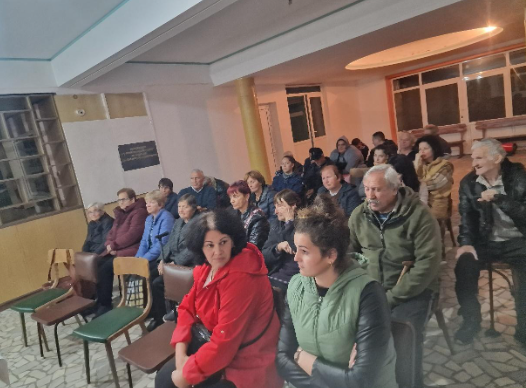
On October 30, 2025, the second event of the Health Festival was held at the community center in the village of Iskra

The program began with a presentation and discussion with Dr. Ivan Manolov, a cardiologist, who drew attention to important topics related to cardiovascular health and ways to protect it. Dr. Ivan Manolov emphasised the high mortality rate from cardiovascular diseases in the Plovdiv region and stressed that regular prevention and timely check-ups are key to early detection and risk control. Discussed topics included the effects of smoking, alcohol, sugar, and inactivity on heart health, proper blood pressure measurement, the importance of exercise and a balanced diet, and common misconceptions about coffee and smoking.

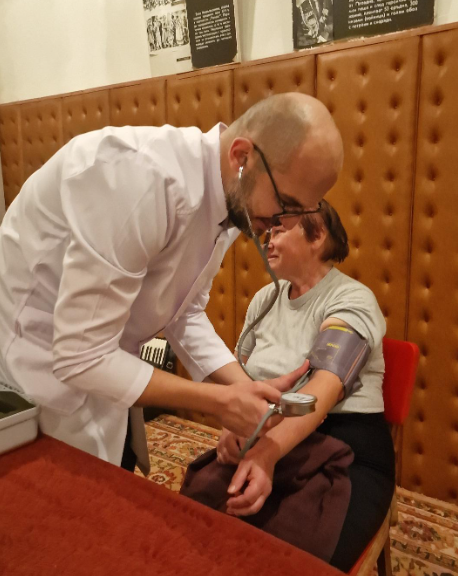
Dr. Ivan Manolov further emphasised that health is a shared responsibility between the doctor and the patient, with half of the effort depending on each person’s daily habits and awareness. After the presentation by Dr. Manolov, the residents of Iskra took part in free individual consultations, during which Dr. Manolov conducted medical checks, including blood pressure measurements and electrocardiograms using a portable electrocardiograph device. Residents were able to share personal health concerns and receive expert advice on the prevention and treatment of cardiovascular diseases. 

The event brought together over 30 participants and took place in an atmosphere of open dialogue. After the check-ups, the residents of Iskra took part in interviews for the 4PCAN research project and shared with the researchers their health status, eating habits, lifestyle, and social connections.

More information on the first event in Iskra: here

Photo gallery of the Health Festival on 30 October 2025 © Photos by the Jean Monnet Centre of Excellence at Plovdiv University Paisii Hilendarski

Initial results and observations from the first Bulgarian Living Lab events and interviews with participants highlighted the issues around shrinking social networks, limited access to healthcare and prevention services, and widespread mistrust in institutions. These factors create a complex context where scientific research must be closely linked with community engagement. Initiatives like the Health Festival will help bridge this gap, supporting 4P-CAN’s mission to connect science, medicine, and citizens for a healthier future.

Creators of the Living Lab in Bulgaria: Prof. Ivan Tchalakov, Assoc. Prof. Tihomir Mitev, Dr. Donka Keskinova, Petar Parapanov;  

Key participants: Dr. Roman Kalinov, Dr. Atanas Terziyski , Dr. Rumen Kainarov, Dr. Ivan Manolov, Ms. Maria Stoyanova.

Our cookie policy

We use cookies or similar technologies for technical purposes and, with your consent, for other purposes as specified in the cookie policy. Denying consent may make related features unavailable.

Use the “Accept & Close” button to consent. Use the “Decline” button or close this notice to continue without accepting.

To find out more, read our cookies and privacy policy.