
On 9 September 2026, the Public Health Coordination Council under the Dnipropetrovsk Oblast Military Administration held its regular meeting in Dnipro, Ukraine. Among the key issues discussed was the planning and implementation of cancer prevention measures at regional and local levels, drawing on current European approaches and practices.
Professor Lilia Kriachkova, Head of the Department of Social Medicine, Public Health and Health Care Management at Dnipro State Medical University (DSMU), presented the topic “Planning and implementation of cancer prevention measures at regional and local levels, taking into account European best practices”.
The presentation highlighted current European approaches to cancer primary prevention and cancer literacy, including work carried out within the 4P-CAN project, in which DSMU participates. Particular attention was paid to the use of the 5th edition of the European Code Against Cancer as a framework for developing prevention activities adapted to regional needs, risk factors and available resources.
Following the discussion, the draft decision of the Coordination Council included a number of recommendations aimed at strengthening cancer prevention at regional and community levels. These included:
- integrating cancer primary prevention and cancer literacy into local public health planning;
- supporting intersectoral action to reduce modifiable cancer risk factors according to local needs;
- taking the recommendations of the 5th edition of the European Code Against Cancer into account when planning regional cancer prevention activities;
- introducing systematic cancer literacy activities as part of regional cancer prevention efforts;
- strengthening cooperation with educational institutions and student communities through dedicated cancer literacy and prevention activities;
- supporting regional participation in Cancer Literacy Day through information, communication and educational activities on cancer prevention and early detection.
The recommendations address local authorities, healthcare institutions, public health bodies, educational institutions, and other stakeholders, reflecting the importance of a coordinated, cross-sectoral approach to cancer prevention.
The meeting provides an example of how research and knowledge developed within European collaborative projects such as 4P-CAN can contribute to dialogue with regional decision-makers and support the translation of evidence-based cancer prevention approaches into public health practice.
For the Ukrainian 4P-CAN team at Dnipro State Medical University, this represents an important step towards strengthening links between research, European cancer prevention guidance and practical action at regional and community levels.
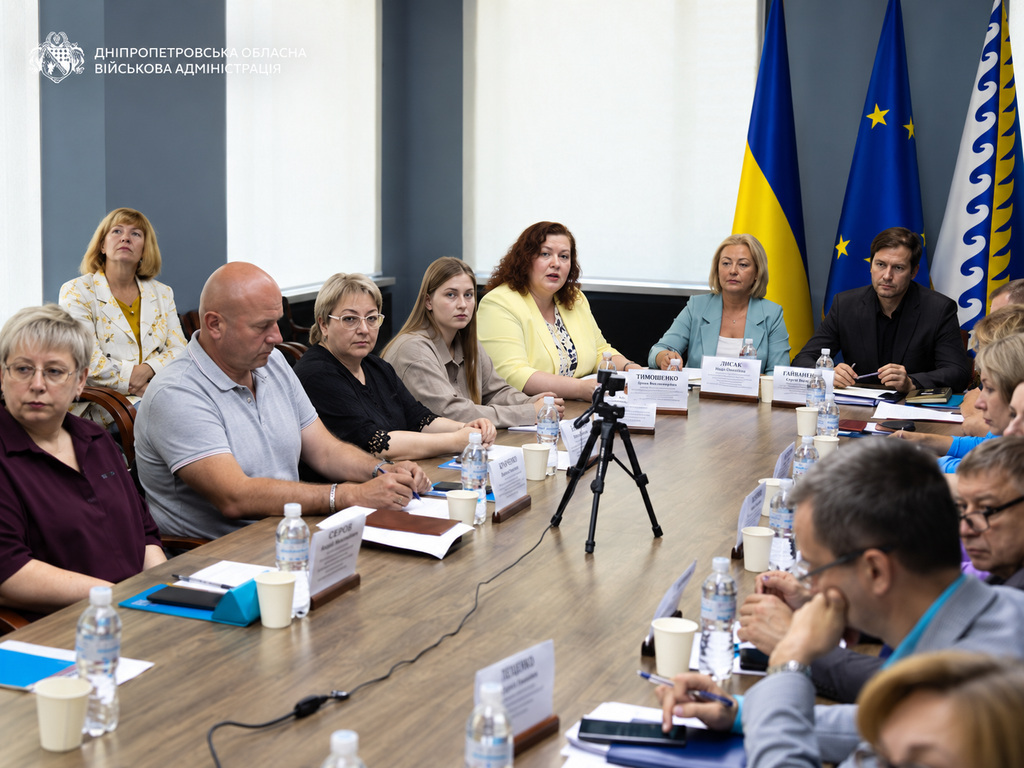
©Pictures by DSMU